How Bottom Seals Improve Garage Energy Efficiency
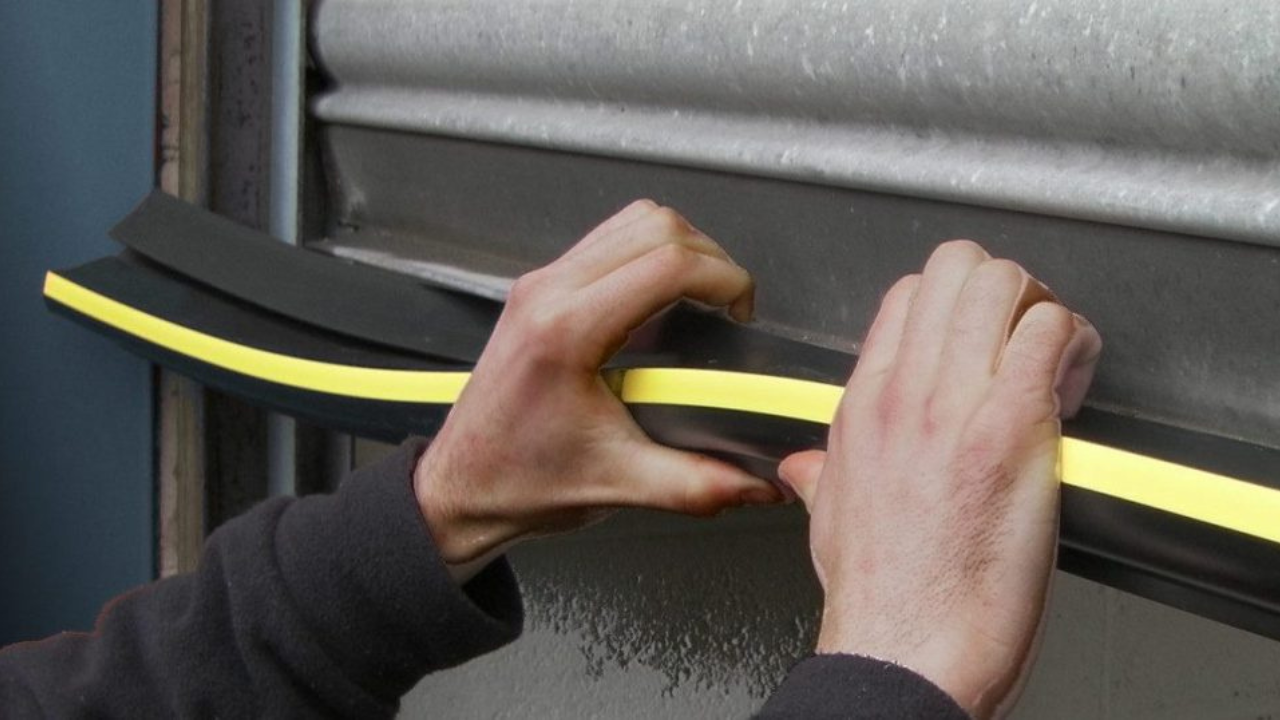
The energy efficiency of the garage is not much thought about, but it makes a huge contribution to keeping the home environment comfortable. The easiest and best method of improving the insulation of a garage building is to use a high-quality bottom seal. The element, also known as a garage door weather seal, is a component that is applied in order to form an obstacle between the floor and the door of the garage. It may seem that this is a minor one, but it has a great impact on energy saving, the regulation of temperature inside, and protection in general. There are different garage door bottom seal types available in the market that provide great results.
The Knowledge of the Purpose of Bottom Seals
A garage door bottom seal is used to seal the space that exists between the floor and the bottom of the door. This discontinuity might seem small, yet it enables easy access by outside air, moisture, dust, and pests. A small opening is enough to cause a major inconvenience to the temperature in the garage, particularly during extreme weather conditions. A bottom seal that is durable prevents this penetration, which results in a more controlled space.
Making Buildings More Air-Tight
The important fact that makes bottom seals contribute to improved energy efficiency is that they lead to a decrease in air leakage. Garages usually have their walls attached to the house, and the variation of temperature within it can have an influence on the surrounding rooms. The lack of a bottom seal allows cold air to enter the house in winter and warm air to enter in summer, increasing the workload of HVAC systems.
With the development of a unified seal, the garage can keep the heat contained better, and they needs less energy to maintain indoor comfort. This stabilization assists homeowners in reducing utility bills and improves the load on the heating and cooling systems.
Enhancing Temperature Control
The garage may be used as a parking area, storage area, or even as a working area, but it is imperative to be able to maintain a stable temperature. An under seal aids in controlling the environment to avoid changes in the internal conditions due to outside air. In colder climates, it prevents freezing drafts from getting in, and in warmer climates, it prevents hot air from increasing the internal temperature. Consequently, the garage is made comfortable, and there is reduced consumption of energy.
The bottom seals provide an extra protection layer in the case of garages that have temperature-sensitive objects like tools, electronics, paints, or appliances. The properly sealed garage reduces variation in temperature, which may spoil the stored items and raise energy consumption.
Stopping Moisture and Water Interference
One of the largest threats to the efficiency of the garage is moisture. The water that finds its way into the bottom of the door may lead to humidity and mold, as well as destroy insulation. These problems reduce the level of energy efficiency through the circulation of damp air and the loss of insulation.
A strong bottom seal avoids seepage of rainwater, melting snow, and groundwater within. Insulation is maintained by making the garage dry, and overall use of energy is managed. The insurance is particularly useful in areas where it rains or where there are snowy winters.
Improving Insulation with Other Weatherstripping
Although bottom seals have great advantages on their own, they are more effective when used in conjunction with side and top seals. The combination of these elements forms a complete protective cover around the garage door in relation to the weather. This airtight system keeps the drafts at bay in any direction, and the system enhances better insulation of the garage and energy efficiency.
In older garage doors or not very well-insulated buildings, the use of bottom seals along with upgraded insulation panels or threshold seals offers the greatest level of thermal protection. The outcome is a garage with stable temperatures throughout the year and very little wastage of energy.
Inhibiting Dust and Debris
It is not just about cleanliness; it can also disrupt ventilation and energy efficiency due to accumulated dust. The dust and debris coming in at the bottom of the door of the garage get deposited over what is stored in the garage, as well as equipment, and even the HVAC equipment, in case the garage is linked to an indoor system.
Bottom seals help lessen the dirt entering the space to make the place cleaner and avoid the needless stress on the fans, vents, and filters. An improved environment would help in increasing the efficiency of heating and cooling in general.
Conclusion
The bottom seal of the garage doors is a little expense that will give big returns. They are important in improving the efficiency of the energy in the garages by reducing the air leakage, avoiding the entry of moisture, maintaining the temperature, and overall insulation. Homeowners who are going to install a bottom seal that is tough and durable not only enhance comfort, but also enjoy reduced energy expenses as well as improved protection against the property.